When training got lonely
- B2C
- iOS
- Android
- Lead Designer
Staedium was a new business unit inside Freeletics, started during the pandemic, when people wanted to train together but couldn’t.
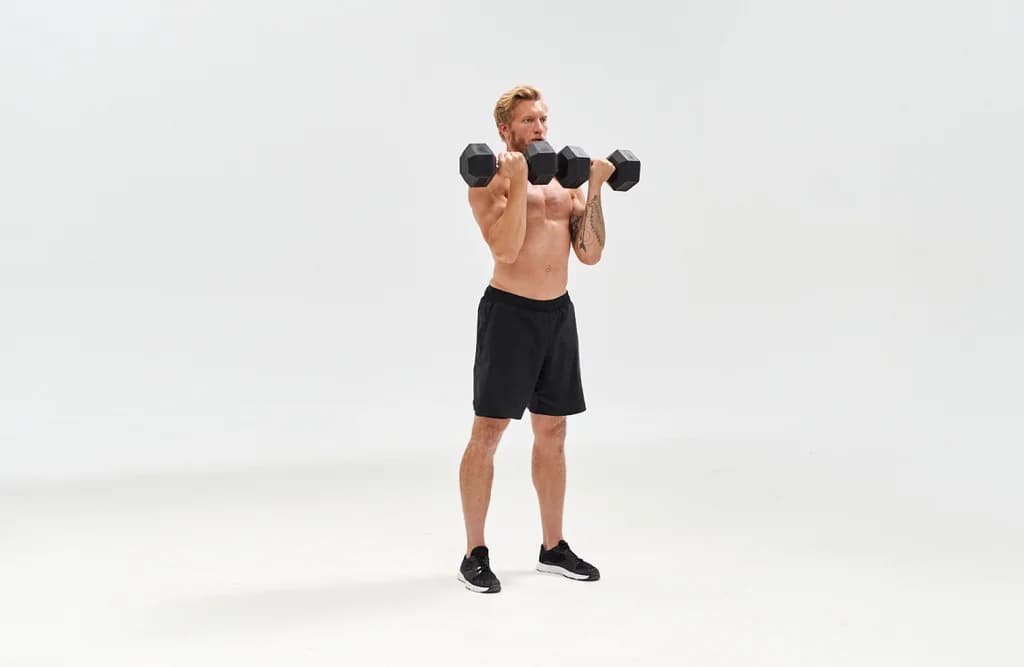
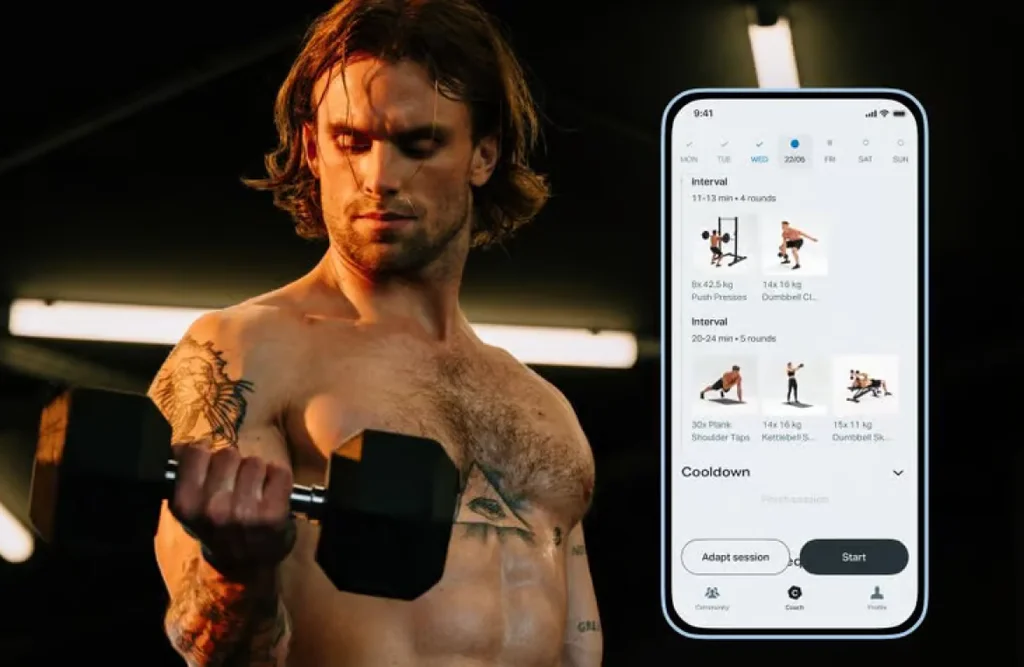
It turned a phone, a TV and connected dumbbells into one multiplayer fitness game: pick a workout, challenge someone, and compete on your own schedule, while the phone tracks every rep in real time.
“How might we make home training more engaging in the long run?”
[The question behind Staedium]
Problem
During the pandemic, Freeletics bet on strength gaming: a phone, a TV and connected dumbbells as one game. By the time I joined as Lead Designer, the concept was set. The hard part was making it work as one product.
- Two development crews, game and app, building in parallel
- Hardware and software that had to feel like a single experience
- A new behavior to teach, from training alone to competing with others
Key contributions
- Aligned two crews into one product. As the only product designer across both teams, I aligned the game designer, sound designer, animator, Unity developers and app developers on one direction.
- Turned testing into decisions. Every two weeks, our user researchers and I tested the full setup with real athletes, 200+ hours with 15+ people. I brought every finding back to the people building it.
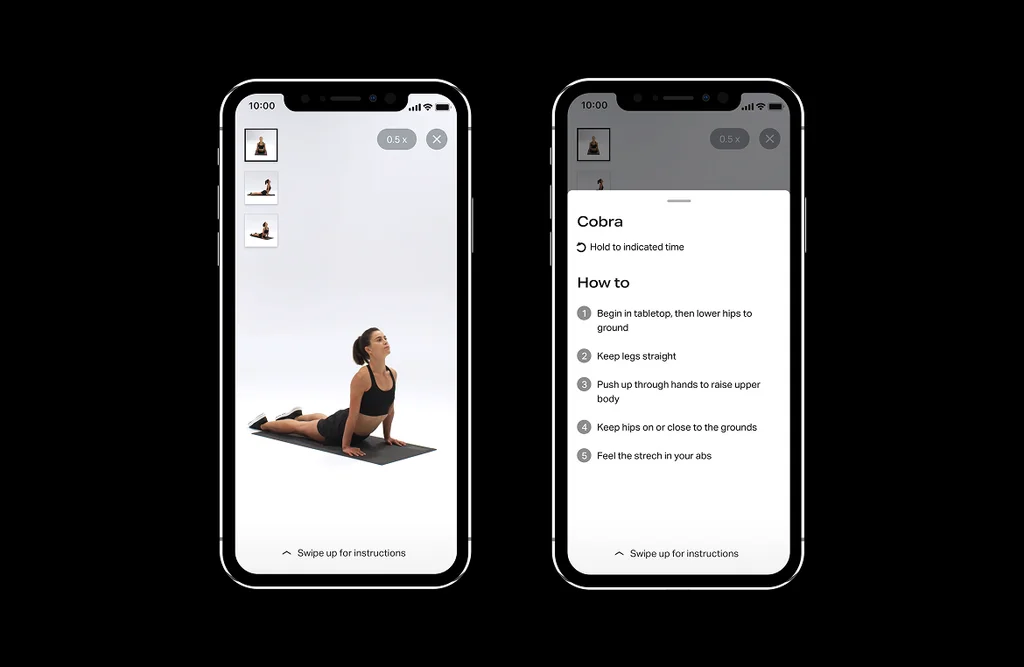
- Designed the mobile UI and turned inherited designs into one design system, so everyone worked from one source.
- PM
- UXR
- Sound design
- Product design
- Game Designer
- Unity developer
- Backend dev.
- Eng. Manager
- Unity developer
(Me)
- PM
- UXR
- Design agency
- iOS
- iOS
- AND
- AND
- Backend dev.
- Web dev.
- Eng. Manager
How we tested
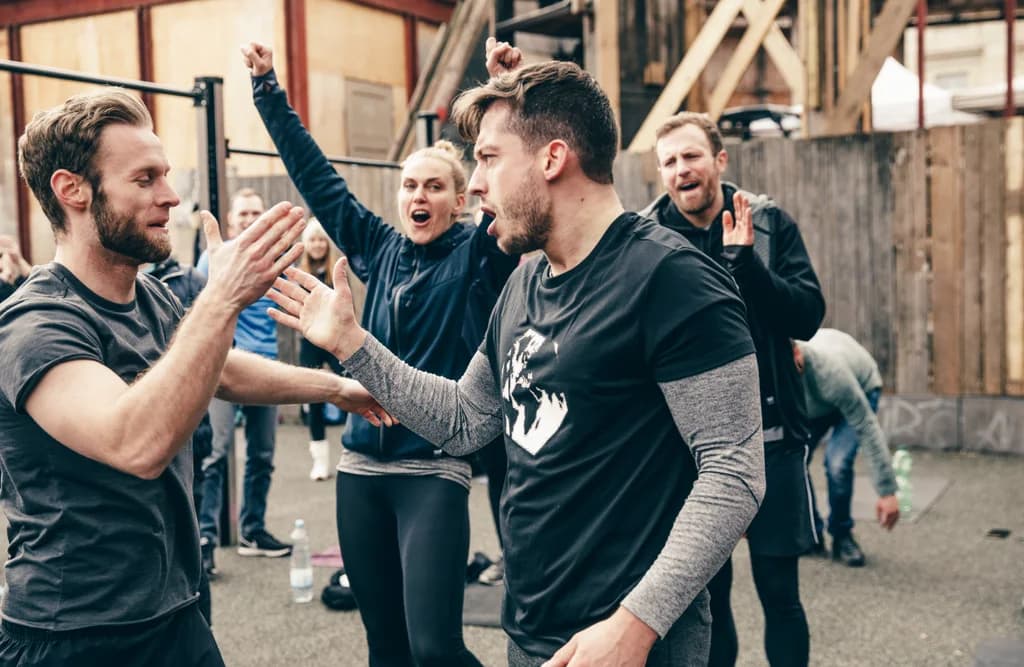
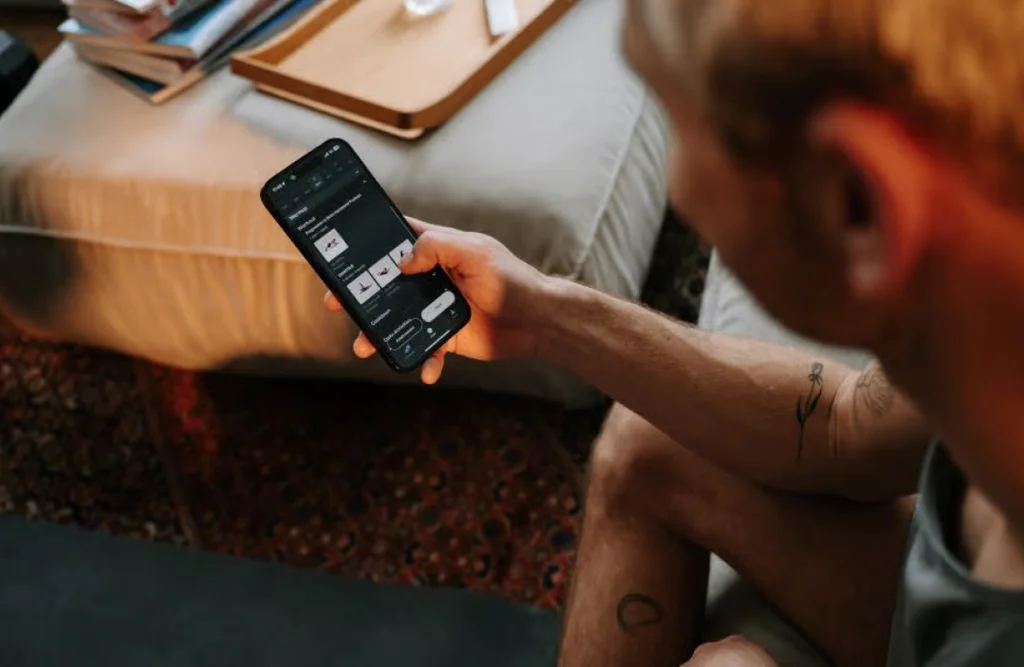
We tested the full setup in a real living room: phone, TV, dumbbells and an athlete. On top of that, we brought the game to events like PUSH Conference and invited community members to play at our office.
Testing...
Testing...
And a lot more testing.
What I learned
- People don’t troubleshoot, they leave. When phone and TV felt like two products, users lost interest. So I made the handoff between devices the core of the experience.
- Only end-to-end tests show the real product. Features that worked alone broke together, so we tested the full setup every two weeks.
- Two crews need constant alignment. I aligned with both PMs on priorities all the time and brought in freelancers to fill the gaps.
- Staedium was pivoted after three years. People wanted to leave the house again. Next time, I’d test early whether a new behavior outlasts the moment that created it.
- Turned inherited designs into one design system, so everyone worked from one source.
“Stadium ran for three years. Then Freeletics pivoted it. There was no product-market fit. The testing stayed on the record.”